Emergency Roof Repairs: What To Do When Disaster Strikes
Roofing emergencies are upsetting. Whether a tree branch crashes through your roof during a storm or water starts leaking through your ceiling unexpectedly, knowing what to do in those critical moments can help prevent further damage and get your home back to normal as quickly as possible. Action Roofing understands how stressful these situations can be so we’re here to guide you through the steps to take when disaster strikes.
In Emergency Roof Repairs: What to Do When Disaster Strikes, we’ll cover what qualifies as an emergency roof repair, common causes of emergency roof damage in British Columbia, what to do immediately after roof damage occurs, and more.
What Are Emergency Roof Repairs?
Not every roofing issue qualifies as an emergency. Some damage can wait for a scheduled repair, while other issues require immediate action to protect your home and prevent more damage.
A roofing emergency typically involves significant, sudden damage that threatens the structural integrity of your home, puts your safety at risk, or causes severe interior damage. If you notice any of the following, you should contact Action Roofing for emergency repairs:
Major Storm Damage
If high winds, heavy rain, or snowstorms cause significant damage—such as missing sections of shingles, holes in the roof, or detached flashing—immediate repairs may be needed to prevent leaks and further destruction.
Severe Leaks or Water Intrusion
If water is actively entering your home through the roof, it’s an emergency. Water damage can spread quickly, leading to mold growth, weakened ceilings, and compromised structural integrity.
Roof Collapse or Structural Failure
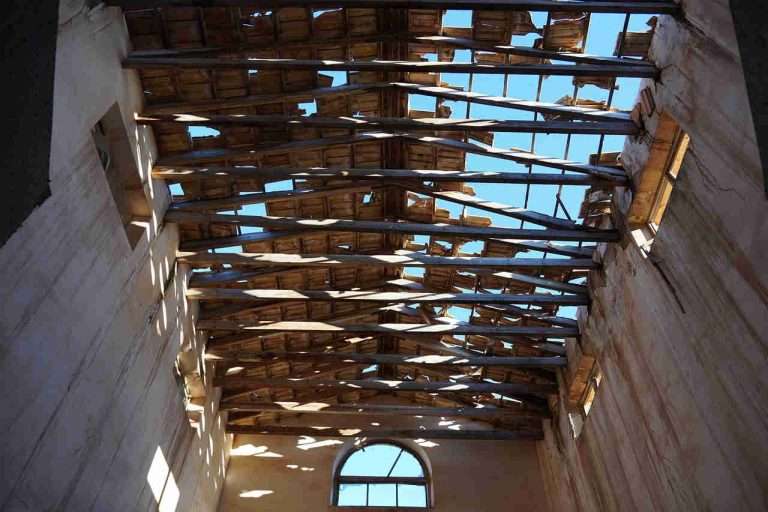
This can happen due to excessive snow loads, prolonged water damage, or an impact from falling debris. If any part of your roof caves in, it poses a severe safety risk and requires immediate attention.
Fire or Electrical Damage
If a fire or electrical hazard has caused damage to your roof, repairs should be done immediately to prevent further risk.
Compromised Roofing System After an Accident
If a tree falls on your home or a heavy object crashes into your roof, structural damage could make your home unsafe. Emergency repairs are necessary to prevent additional hazards.
If you experience any of the above, call Action Roofing immediately. Our emergency response team is available to assess the damage and secure your home as soon as possible.

Common Causes of Emergency Roof Damage in British Columbia
British Columbia’s diverse climate means homeowners face a variety of potential roofing emergencies. Here are some of the most common causes of sudden roof damage:
1. Extreme Weather Events
The province is no stranger to intense storms, heavy snowfall, and strong winds, all of which can lead to emergency roofing situations.
- Heavy Rain and Windstorms: Coastal areas like Vancouver and Victoria frequently experience intense rain and windstorms, which can loosen shingles, damage flashing, and cause immediate leaks.
- Heavy Snowfall: Regions like Whistler and Kelowna see significant snowfall. Excessive snow can strain your roof, leading to collapses or leaks when the snow melts.
- Hailstorms: While less frequent, hailstorms in areas like the Fraser Valley can cause serious roof damage by cracking shingles and creating vulnerabilities that allow water to enter your home.
2. Falling Debris and Tree Damage
British Columbia has many densely wooded areas, making falling tree branches a significant risk.
- Windstorms can break branches that puncture or crack roofing materials.
- Overgrown trees near homes may drop leaves and small debris into gutters, leading to blockages and water buildup.
- Lightning strikes in rural or forested areas can even split trees, sending heavy trunks crashing onto rooftops.
3. Poor Drainage and Clogged Gutters
If your gutters and downspouts aren’t properly maintained, water can’t drain away from your roof. This leads to:
- Pooling water which can seep into roofing materials and cause rot
- Ice dams forming in winter, which prevent proper water drainage and force melted snow under shingles, leading to leaks
- Excess weight on gutters, potentially pulling them loose and damaging the edges of your roof
4. Aging Roofs and Lack of Maintenance
Many roofing emergencies happen because minor issues go unnoticed until they become major problems. A roof that hasn’t been inspected or maintained regularly may be vulnerable to sudden leaks or structural failures.
- Old shingles may become brittle, making them more likely to crack or detach during a storm.
- Deteriorating flashing around vents and chimneys can allow water to seep in unnoticed until a leak appears inside your home.
- Neglected minor leaks can grow into major structural damage over time, resulting in costly emergency repairs.
What Is NOT Considered an Emergency Roof Repair?
Some roofing problems don’t need immediate, middle-of-the-night fixes. Though residents may encounter inconvenient issues, they can wait until normal business hours. These include:
- Minor leaks or slow drips that can be temporarily contained with buckets or tarps until a roofer arrives.
- Missing or damaged shingles that aren’t immediately causing interior water intrusion.
- Cosmetic damage such as slight discoloration or small cracks that don’t impact the roof’s function.
For these non-emergency concerns, you should still schedule a repair with Action Roofing to prevent them from escalating.
Emergency Roof Repairs: What to Do When Disaster Strikes
If you experience sudden roof damage, follow these steps to protect your home and ensure a smooth repair process:
1. Ensure Your Safety
- If there’s major damage, evacuate affected areas of your home, especially if there’s a risk of collapse.
- Avoid touching electrical wiring if there’s a leak near light fixtures or outlets.
2. Prevent Further Interior Damage
- Place buckets under active leaks to collect water and prevent floor or furniture damage.
- Cover valuables with waterproof tarps if possible.
- If it is safe to do so, place a temporary tarp over exterior roof damage to reduce further exposure to rain or snow.
3. Document the Damage for Insurance Claims
- Take clear photos and videos of the damage from multiple angles.
- Make a list of damaged belongings inside your home.
- Contact your home insurance provider immediately to begin the claims process.
4. Call Action Roofing for Emergency Repairs
Our team will arrive as soon as possible to assess the damage, provide temporary protection, and start repairs.
Emergency Roof Financing Options in British Columbia
Unexpected roof repairs can strain your budget. Thankfully, certain resources can help homeowners cover emergency roofing costs:
- Home Insurance Claims: If your roof was damaged by a covered event (storm, fire, falling debris), your insurance may cover repairs.
- Government Assistance Programs: Some BC municipalities provide home repair grants and assistance programs for eligible homeowners and renovations.
Explore your options by checking with your insurance provider and local government.
Preventing Sudden Roof Damage
While emergencies can’t always be avoided, proactive maintenance and preparation can significantly reduce the likelihood of severe roof damage. Here’s how British Columbia homeowners can protect their roofs year-round:
1. Schedule Regular Roof Inspections
Many roofing issues develop gradually before becoming major problems. Regular inspections—especially after extreme weather—can help catch issues early.
- Annual Professional Inspections: We recommend having a professional roofing inspection at least once a year, preferably before the wet season begins.
- Post-Storm Inspections: After a major storm, heavy snowfall, or strong winds, check your roof for missing shingles, cracks, or leaks.
- DIY Visual Checks: Homeowners can inspect their roofs from the ground using binoculars, looking for signs of wear like curled or cracked shingles. Inside the attic, check for water stains or mold growth.
2. Trim Overhanging Tree Branches
One of the most common causes of emergency roof damage in British Columbia is falling branches. During windstorms or heavy snowfall, overhanging limbs can snap and cause severe damage to shingles, gutters, and even structural elements.
- Prevent Roof Punctures: Trim branches that extend over your home, especially those close to the roofline.
- Reduce Debris Accumulation: Leaves, pine needles, and twigs can clog gutters and create a damp environment that accelerates deterioration.
- Lower Fire Risk: In wildfire-prone areas, maintaining a clear perimeter around your home can reduce fire hazards.
3. Keep Gutters and Drainage Systems Clear
British Columbia experiences heavy rainfall, particularly along the coast. A well-maintained drainage system helps prevent water from pooling on your roof, reducing the risk of leaks and structural damage.
- Regular Gutter Cleaning: Remove leaves, dirt, and other debris at least twice a year—once in the fall and once in the spring. If your home is surrounded by trees, consider cleaning them more frequently.
- Check Downspouts: Ensure downspouts direct water at least six feet away from your home’s foundation to prevent flooding in the basement and soil erosion.
- Install Gutter Guards: These can help prevent clogs and reduce maintenance efforts.
4. Upgrade to Durable Roofing Materials
If your roof is approaching the end of its lifespan, consider upgrading to high-performance materials designed to withstand BC’s harsh climate.
- Impact-Resistant Shingles: These are designed to withstand hail, falling branches, and wind-driven debris better than standard shingles.
- Metal Roofing: Extremely durable and resistant to heavy snow loads, metal roofs are an excellent option for mountainous regions like Whistler or Kelowna.
- Waterproof Underlayment: Installing an extra waterproof layer beneath shingles adds an extra barrier against leaks.
- Properly Secured Flashing: Flashing around chimneys, skylights, and vents should be checked and secured to prevent leaks.
5. Reinforce Vulnerable Areas
Certain parts of your roof are more susceptible to damage than others. Strengthening these areas can significantly reduce the risk of leaks and structural problems.
- Roof Edges: Strong winds can lift the shingles along the edges of the roof, especially if they are already worn or poorly installed. Securing these edges with adhesive strips or nails can help prevent wind damage.
- Chimneys and Skylights: Cracks or gaps in the flashing around chimneys and skylights can allow water to seep in. Regular resealing helps prevent leaks.
- Attic Ventilation: Poor ventilation can lead to excess moisture buildup, causing mold growth and premature roof deterioration. Installing ridge vents, soffit vents, or attic fans can improve airflow and extend the life of your roof.
Final Thoughts: Protect Your Home With Action Roofing
No homeowner wants to face an emergency roof repair, but knowing what to do when disaster strikes can make all the difference. By acting quickly, documenting damage, and working with a trusted professional like Action Roofing, you can minimize stress and restore your home’s safety.
Whether you need immediate repairs after a storm or want to take preventive measures to protect your home, Action Roofing is here to help. Contact us today for expert guidance and emergency roofing services you can trust.