How To Protect Your Roof from Winter Damage in Vancouver
Vancouver winters can be challenging to our rooftops. While we may not face the extreme cold and heavy snowfall of other Canadian regions, our winter weather pattern of freeze-thaw cycles, wind-driven rain, and occasional snow events creates specific conditions that can significantly impact your roof’s longevity.
At Action Roofing, we’ve helped countless homeowners navigate winter roof protection. We’ve also seen how proactive care can prevent costly emergency repairs. The winter months in the Lower Mainland test your roof in ways that aren’t always visible until damage has progressed. Understanding how to protect your roof from winter damage in Vancouver requires understanding our climate and how it affects different roofing materials.
This guide will walk you through practical, effective strategies to safeguard your home’s roof through our wet, occasionally freezing winter months.
Understanding Vancouver’s Winter Climate Challenges
Vancouver’s winter weather can accelerate roof deterioration with its:
- Persistent moisture: Our famous rainfall doesn’t take winter off
- Freeze-thaw cycles: Temperatures hovering around freezing promote expansion and contraction of roofing materials
- Wind-driven precipitation: Coastal storms push water into areas it normally wouldn’t reach
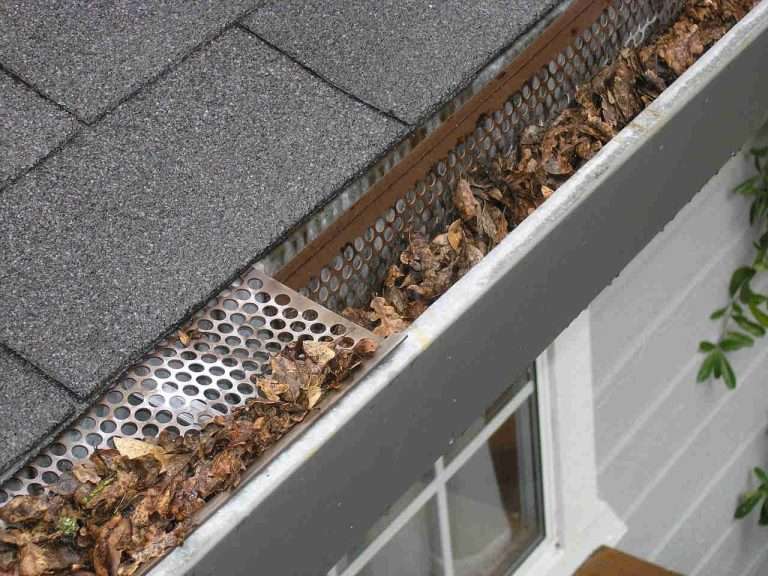
- Debris accumulation: Fall leaves and winter storm debris can lead to drainage problems
- Occasional snow loads: While infrequent, snow events can cause stress on unprepared roofs
These conditions collectively create risks that Vancouver homeowners need to address before winter fully sets in. Let’s examine these challenges and their solutions.
Pre-Winter Roof Inspection: Your First Line of Defense
The most effective way to prevent winter roof damage is to identify and address vulnerabilities before winter weather arrives. Action Roofing recommends a comprehensive fall inspection focused on:
1. Assessing Shingle Conditions
Damaged or compromised shingles are entry points for moisture. Look for:
- Curling or lifting edges
- Missing granules (check gutters for accumulation)
- Cracked or broken shingles
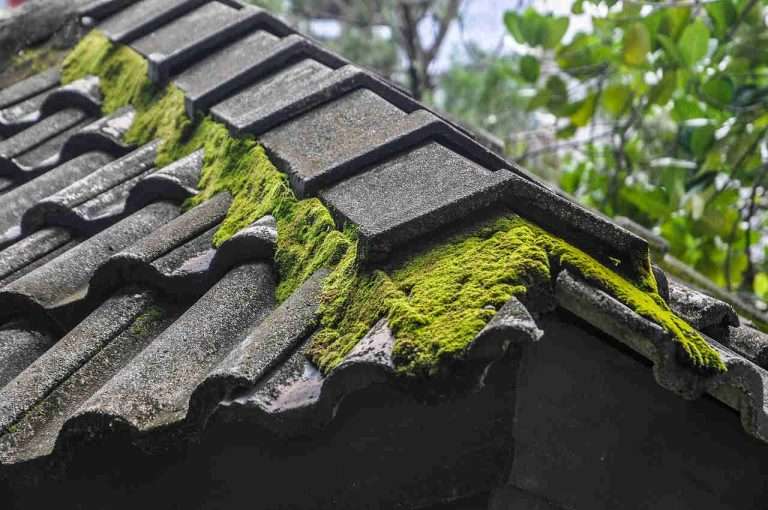
- Moss or algae growth
In our experience, even a few damaged shingles can lead to significant interior leaks during heavy winter rainfall if left unaddressed before the season begins.
2. Examining Flashing
Metal flashing creates watertight seals around roof penetrations and transitions. Inspect:
- Chimney flashing
- Vent pipe collars
- Skylight perimeters
- Valley areas
- Wall-roof intersections
Many emergency winter calls we receive involve flashing failures that could have been identified and repaired during routine fall inspections.
3. Maintaining Gutter and Drainage System
Functioning drainage systems are critical if you want to protect your roof from winter moisture. Ensure that:
- Gutters are clear of debris
- Downspouts direct water away from the foundation
- Gutter fasteners are secure
- No sagging sections exist that could trap water
We’ve seen how properly maintained gutter systems can prevent significant ice dam damage during freezing weather, especially on homes with complex roof designs.
4. Checking Attic Ventilation and Insulation
Proper attic conditions prevent many winter roof problems:
- Insulation should be even and adequate (without blocking soffit vents)
- Ventilation pathways should be clear
- No signs of moisture or mold
- Exhaust fans should efficiently channel air to the home’s exterior
Our inspections frequently reveal bathroom fans venting directly into attic spaces rather than outside, creating moisture problems that worsen considerably during winter months.
Specific Winter Threats to Vancouver Roofs
With our inspection complete, let’s focus on the specific winter threats Vancouver homeowners face and how to protect your roof from winter damage in Vancouver.
1. Managing Moss and Algae Growth
Vancouver’s damp winter climate creates ideal conditions for moss and algae, which retain moisture against your roofing material and can lift shingles.
Prevention Strategies:
- Install zinc or copper strips near the roof peak (the natural runoff creates an environment hostile to moss).
- Apply appropriate moss treatment in fall (before winter moisture accelerates growth).
- Trim overhanging branches that create excessive shade.
- Consider algae-resistant shingles during your next replacement.
Untreated moss can develop extensively over just two winter seasons, particularly on north-facing roof sections that receive less sunlight.
2. Managing Ice Dam Formation
While less common than in other parts of Canada, Vancouver does experience conditions that can lead to ice dams, particularly on poorly insulated or ventilated roofs.
Prevention Strategies:
- Ensure proper attic insulation to maintain even roof surface temperature.
- Maintain adequate ventilation to control attic temperature.
- Keep gutters clean to prevent water backup.
- Consider heat cable installation in problem areas.
In our experience, homes with improved attic insulation and proper ventilation rarely experience ice dam issues, even during extended cold snaps.
3. Understanding How To Protect Your Roof from Snow
While Vancouver receives less snow than many Canadian cities, when snow does fall, it’s often wet and heavy, creating significant weight loads on roofs.
Prevention Strategies:
- Know your roof’s load capacity (particularly important for older homes).
- Identify potential snow accumulation zones (valleys, low-slope sections).
- Have a snow removal plan for significant snowfall events.
- Consider a roof rake for safely removing snow from the ground level.
The table below outlines potential snow loads based on the roofing material you have:
| Roof Type | Snow Load Capacity | Special Considerations |
| Standard Asphalt Shingle | Moderate | Generally handles Vancouver snow well |
| Cedar Shake/Shingle | Moderate | Can become brittle when wet then frozen |
| Metal Roofing | High | Snow may slide off suddenly |
| Flat/Low Slope | Lower | Requires proper drainage and may need manual clearing |
| Slate/Tile | Varies by structure | Heavy material means roofing may not be able to handle much snow |
During unusual snowfall events, we’ve assisted numerous homeowners with safe snow removal, particularly those with flat or low-slope roofs where drainage was compromised by the accumulation of snow.
4. Tips on How to Keep Snow Off Roof Safely
When snow accumulates, removing it safely becomes a priority.
Safe Snow Removal Techniques:
- Use a roof rake with wheels or bumpers to prevent surface damage.
- Always work from the ground when possible.
- Remove snow in even layers, not down to the roofing surface.
- Start from the edge and work inward.
- Never use sharp tools like shovels directly on the roof surface.
For homes with recurring problem areas, we sometimes install snow guards or heat cables during the fall, enabling the roof to handle snow safely.
Winter Roof Maintenance Schedule for Vancouver Homeowners
To protect your roof from winter damage in Vancouver, we recommend following this winter roof maintenance schedule:
Early Fall (September-October):
- Comprehensive roof and attic inspection
- Gutter cleaning and repair
- Tree trimming near roofline
- Moss treatment application
Late Fall (November):
- Secondary gutter cleaning after leaves drop
- Installation of gutter guards if appropriate
- Verify attic insulation before temperature drops
During Winter:
- Monitor ice formation after freeze events
- Remove debris after storms
- Clear snow when accumulation exceeds 6 inches
- Watch for interior signs of leaks or moisture
Early Spring:
- Post-winter inspection for damage
- Repair any winter-related issues
- Plan larger repairs or replacements if needed
Homeowners who consistently follow this maintenance schedule experience significantly fewer winter-related roof emergencies, even with older roofing materials that typically require more attention.
Professional vs. DIY: Making the Right Choice for Winter Roof Protection
While some winter preparation tasks are suitable for homeowners, others require professional expertise:
Appropriate DIY Tasks:
- Basic gutter cleaning (single-story homes)
- Visual inspection from the ground
- Snow removal with appropriate roof rakes from ground level
- Monitoring for interior signs of problems
Tasks Best Left to Professionals:
- Complete roof inspections (walking on roofs)
- Shingle or flashing repairs
- Moss treatment application
- Snow removal from steep or high roofs
- Attic ventilation modifications
Safety should always be your priority when it comes to winter roof maintenance. The chances of falling from roofs and ladders are higher during the winter months due to slippery conditions.
Emergency Response Plan: When Winter Damage Occurs
Despite best efforts, winter roof emergencies can still occur. Having a plan in place can minimize damage:
- Know the signs of problems:
- Water stains on ceilings or walls
- Dripping sounds in the attic
- Visible sagging of roof sections
- Shingle debris in the yard after storms
- Gutter separates from roofline
- Have emergency supplies ready:
- Tarps for temporary coverage
- Buckets for catching interior leaks
- Contact information for emergency roofers
- Understand your insurance coverage:
- Types of winter damage that’s covered
- Documentation requirements for claims
- Provisions for emergency repairs
Homeowners who establish relationships with roofing professionals before emergencies occur typically receive faster response times during winter roof crises, when demand for roofing services is at its highest.
Investing in Winter Roof Protection: Long-Term Economics
Many homeowners hesitate to invest in preventative winter roof maintenance, but the economics strongly favor prevention over emergency repair:
| Preventative Measure | Approximate Cost | Potential Emergency Cost Without Prevention |
| Professional Fall Inspection | $200-$400 | $1,000-$5,000 for leak repairs |
| Gutter Cleaning | $150-$300 | $2,000-$8,000 for ice dam damage |
| Moss Treatment | $300-$600 | $1,500-$10,000 for moisture damage |
| Minor Repairs | $400-$800 | $5,000-$20,000 for structural repairs |
Residents who invest in preventative maintenance consistently save thousands of dollars in emergency repairs, with many reporting that their winter roof maintenance measures prevented recurring issues from previous seasons.
Special Considerations for Different Vancouver Neighborhoods
Vancouver’s diverse topography and proximity to mountains and water create micro-climates that affect winter roof concerns:
North Shore (North & West Vancouver):
- Higher elevation means more frequent snow
- Greater tree coverage could mean more debris-related issues
- Steeper terrain may affect drainage patterns
Vancouver West Side:
- Exposure to wind-driven coastal storms
- Older homes may have outdated drainage systems
- Heritage homes may need specialized repair
East Vancouver & Burnaby:
- Greater temperature fluctuations
- Houses with mixed ages have different insulation standards
- Often more tree coverage than western neighborhoods
Richmond & Delta:
- Flat topography affects drainage
- High water table can complicate moisture issues
- Lower elevation usually means less snow but more rain
Understanding your neighborhood’s specific challenges will help you prioritize the most relevant strategies.
Conclusion: Proactive Measures Pay Off
Knowing how to protect your roof from winter damage in Vancouver isn’t just about avoiding problems—it’s about extending your roof’s lifespan and maximizing your home investment. Our experience has consistently shown that homeowners who undertake comprehensive winter preparation save significantly on emergency repairs and major replacements.
The unique challenges of Vancouver winters—the persistent moisture, occasional freezing, and atmospheric river events—require a localized approach to roof protection. Generic advice often fails to address our specific regional concerns.
Take control of your roof’s health. Whether you choose to handle basic maintenance yourself or partner with roofing professionals for more comprehensive care, having a plan provides peace of mind during our stormy winter months.
Your roof protects everything beneath it—this winter, make sure it has the protection it needs too.
For personalized advice or to schedule a pre-winter inspection, contact Action Roofing. Our roofing specialists will help ensure your home stays dry and secure throughout the season.