How Vancouver Weather Impacts Your Roof and What to Do About It
Living in Vancouver means experiencing some of the most beautiful scenery in Canada, but those postcard-perfect vistas come with a climate that can be particularly demanding on your home—especially your roof.
Vancouver’s unique weather patterns create a perfect storm of conditions that can significantly shorten your roof’s lifespan if left unaddressed. Action Roofing has spent decades helping homeowners throughout the Lower Mainland navigate these challenges, and we’ve seen how understanding local weather patterns can spell the difference between a roof that fails prematurely and one that protects your home for decades.
In this comprehensive guide, we’ll explore how Vancouver weather impacts your roof. We’ll provide practical, effective strategies to help you protect your home from our region’s unique climate.
Understanding Vancouver’s Climate Challenges
Vancouver’s climate presents a distinctive set of conditions for residential roofing systems. Before we dive into solutions, let’s understand exactly what your roof is up against in this corner of British Columbia.
The Rainfall Reality
Vancouver’s nickname, “Raincouver,” is well earned. With annual precipitation averaging 146 centimeters, our city receives more rainfall than London, England. But it’s not just the volume of rain that matters—it’s the pattern.
The duration of our rainfall is particularly challenging, with long periods of continuous precipitation especially from October through March. This persistent moisture creates cumulative stress on roofing materials that’s far greater than in regions with similar annual rainfall but fewer rainy days.
Key rainfall factors affecting Vancouver roofs include:
- Duration: Long periods of continuous rainfall, especially from October through March
- Intensity: Heavy downpours that can dump significant volume in short periods
- Consistency: 171 rainy days per year—nearly half the calendar
Temperature Fluctuations
Winter temperatures that hover around freezing create damaging freeze-thaw cycles, causing expansion and contraction that weakens roofing materials over time.
Temperature-related challenges include:
- Freeze-thaw cycles: Winter temperatures that hover around freezing create damaging expansion and contraction
- Cool, damp springs: Slow drying conditions that keep moisture in contact with roofing materials
- Summer heat waves: Increasingly common high-temperature periods that accelerate aging of some roofing materials
These fluctuations, combined with high humidity, create ideal conditions for premature deterioration of many roofing materials, particularly those not specifically designed for our unique climate patterns.
The Humidity Factor
Vancouver’s proximity to the Pacific Ocean results in consistently high humidity levels. This persistent moisture creates ideal conditions for moss, algae, and lichen growth across rooftops throughout the region. It also significantly slows evaporation after rainfall, extending moisture exposure on roofing materials long after the rain has stopped.
The impacts of our high humidity include:
- Creates ideal conditions for moss, algae, and lichen growth
- Slows evaporation after rainfall, extending moisture exposure
- Accelerates rust and corrosion on metal components
- Contributes to wood rot in roof decking and structural elements
Wind and Storms
The roof impact of Vancouver weather includes significant wind exposure that many homeowners underestimate.
Vancouver’s wind challenges include:
- Coastal wind patterns: Strong winds from the Strait of Georgia
- Seasonal storms: Fall and winter systems that can bring strong gusts
- Topographical effects: Wind tunneling between mountains and across water that can intensify local effects
What makes Vancouver’s wind particularly challenging is how it combines with heavy rainfall, forcing water into areas that would remain dry under either condition alone.

Urban Forest Challenges
The tree canopy that makes our neighborhoods so attractive creates several roofing challenges:
- Needle and leaf accumulation: Particularly from our abundant evergreens
- Branch and debris impact: During storms and wind events
- Shade and moisture retention: Reduced sun exposure in heavily forested areas
These factors create a perfect environment for moss growth and prolonged moisture exposure that can significantly reduce roof lifespan if not properly addressed.
How Vancouver’s Weather Impacts Your Roof
Now that we understand the climate challenges, let’s examine Vancouver weather’s impact on rooftops.
Moisture-Related Damage
The most prevalent roof impact of Vancouver weather comes from our abundant rainfall and high humidity. Asphalt shingles, the most common roofing material in our region, are particularly vulnerable to moisture-related issues.
Shingle deterioration in Vancouver’s climate typically manifests as:
- Granule loss: Accelerated by frequent rainfall and acid rain from urban pollution
- Curling and lifting: Caused by repeated soaking and drying cycles
- Blistering: Trapped moisture that expands during temperature increases
- Softening: Prolonged moisture exposure that weakens the asphalt base
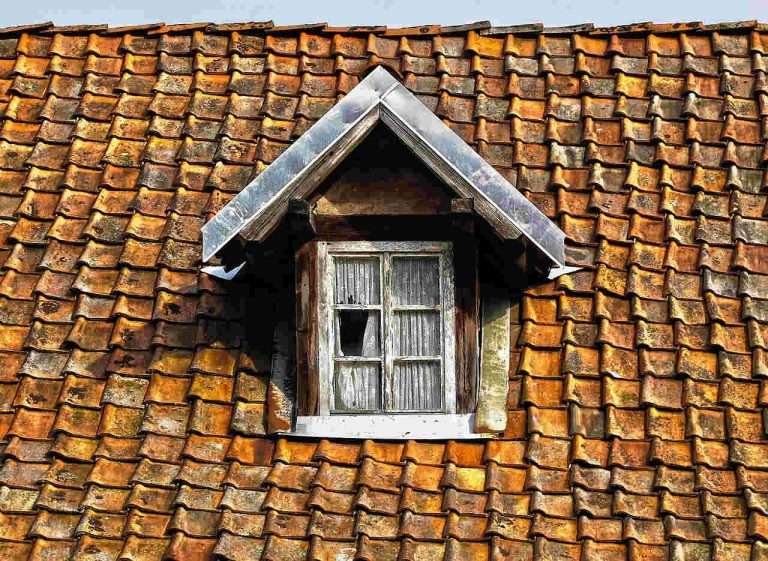
Vancouver homeowners should be particularly vigilant about biological growth on their roofs. Our damp, mild climate creates ideal conditions for moss accumulation, particularly on north-facing slopes and shaded areas. The black streaks of algae are unsightly and damaging, while moss rhizoids can damage shingles.
Moss and algae damage manifests as:
- Moss accumulation: Particularly on north-facing slopes and shaded areas
- Algae streaking: Black streaks that are unsightly and damaging
- Root damage: Moss rhizoids that lift and separate shingles
- Moisture retention: Biological growth that retains moisture against roofing materials
Many Vancouver homes also have wooden components in their roofing systems that are vulnerable to our climate. What often begins as a minor issue can progressively worsen over multiple rainy seasons, affecting:
- Soffit and fascia: Visible rot from prolonged moisture exposure
- Roof deck: Interior deterioration when moisture penetrates the outer roofing layer
- Structural elements: In severe cases, weakening rafters and trusses
Wind-Related Issues
Wind creates several specific problems for Vancouver roofs that compound over time.
Common wind damage includes:
- Shingle lifting: Wind that gets under edges and breaks the seal
- Flashing damage: Metal components that loosen over time
- Debris accumulation: Branches, needles, and leaves that clog drainage
- Driving rain: Water forced under roofing components during windy storms
The combination of these wind effects creates progressive damage that may not be immediately visible but significantly impacts roof longevity.
Temperature-Related Effects
Our temperature patterns contribute to roof deterioration in several important ways that are often overlooked. While less common than our rain-related issues, these temperature effects add another layer of stress to Vancouver roofing systems:
- Thermal shock: Materials expanding and contracting during temperature shifts
- UV degradation: Accelerated aging during our increasingly hot summers
- Condensation: Temperature differentials creating moisture inside the roofing system
- Ice damming: In higher elevations and during cold snaps
The Compounding Effect
As we discuss how Vancouver weather impacts your roof, we mustn’t overlook the compounding nature of these effects. Each factor exacerbates the others, creating accelerated deterioration that can significantly reduce roof lifespan compared to identical materials used in different climates:
- Moss growth retains moisture, which accelerates shingle deterioration
- Wind damage creates entry points where moisture can penetrate
- Debris accumulation prevents proper drainage, extending moisture exposure
- Each factor worsens the others, accelerating the deterioration cycle
This compounding effect explains why roofing products often don’t achieve their stated lifespans in Vancouver conditions without proper roof maintenance and care.
Protecting Your Roof From Vancouver’s Weather
Understanding these challenges is the first step; now let’s explore practical strategies to protect your roof from Vancouver’s unique climate.
Selecting Roofing Material
The first line of defense is choosing the right materials for our climate. Different roofing products perform very differently under Vancouver’s specific conditions, with some offering significantly better longevity and protection.
Clay and concrete tiles along with metal roofing last the longest, with lifespans spanning 40 to over 50 years. On the other hand, standard asphalt shingles have the lowest durability, lasting merely 15 to 20 years.
Based on our decades of experience with Vancouver weather’s impact on rooftops, we recommend:
- Architectural shingles: With algae-resistant granules for most homes
- Metal roofing: For heavily treed areas or homes seeking longer-term solutions
- Synthetic materials: For premium appearance with excellent performance
- Caution with cedar: Traditional in our region but requires rigorous maintenance
The right material choice can dramatically affect how often you’ll need to address roofing issues over your home’s lifetime.
Essential Maintenance Practices
Regular maintenance is crucial for extending roof life in Vancouver’s climate. Our seasonal weather patterns demand a cyclical approach to roof care that addresses specific challenges throughout the year.
Seasonal Maintenance Calendar
Spring (March-May) Spring maintenance focuses on recovery from winter challenges:
- Clear winter debris from roof surfaces and valleys
- Check for winter storm damage to shingles and flashings
- Clean gutters and downspouts thoroughly
- Inspect for moss growth that accelerated during wet months
Summer (June-August) Take advantage of dry conditions for:
- Checking for UV damage and deterioration
- Inspecting attic ventilation for effectiveness
- Addressing minor repairs in good weather
- Planning major work if needed before fall rains
Fall (September-November) Fall preparation is critical in Vancouver’s climate:
- Clear leaves and needles before heavy rains begin
- Clean gutters thoroughly and check downspout functionality
- Inspect all flashings and seals before winter
- Address any issues before the challenging rainy season
Winter (December-February) During the rainy season, focus on:
- Monitoring leaks during heavy rainfall
- Checking for ice damming during cold snaps
- Removing accumulated snow when it occurs
- Addressing emergency repairs promptly
Moss Prevention and Treatment
Given Vancouver’s moss-friendly climate, specific strategies for moss management are essential for roof longevity. Installing zinc or copper strips at the roof’s peak creates a natural biocide that washes down with rainfall, inhibiting moss growth across the roof surface. This simple addition during re-roofing or as a retrofit can significantly reduce maintenance needs.
Additional moss management strategies include:
- Regular cleaning: Removing moss before it has a chance to spread
- Targeted treatments: Using appropriate moss killers for roofing materials
- Preventive measures: Trimming overhanging branches to increase exposure to sunlight
Professional Inspection and Maintenance
While some maintenance tasks can be handled by homeowners, professional involvement is crucial in Vancouver’s challenging climate. We recommend a regular schedule of professional roof care:
- Annual inspection: Minimum recommendation for most homes
- Bi-annual checks: For homes in areas with lots of trees or with older roofs
- Post-storm assessment: After significant weather events
- Pre-winter readiness: Before the challenging rainy season
A thorough professional inspection should include:
- Complete surface assessment: Checking all roofing materials for damage or wear
- Flashing inspection: Examining all penetrations and transitions
- Structural evaluation: Looking for signs of sagging or uneven surfaces
- Interior check: Assessing attic conditions and ventilation effectiveness
- Drainage review: Ensuring gutters and downspouts function properly
Conclusion: Protect Your Roof Against Vancouver’s Weather
The roof impact of Vancouver weather presents significant challenges, but with knowledge and proactive care, your roof can provide decades of reliable protection. At Action Roofing, we’ve guided thousands of Vancouver homeowners through these challenges, helping them make informed decisions that balance immediate needs with long-term protection.
Vancouver’s beautiful but demanding climate requires a thoughtful approach to roof maintenance and care. By understanding how our local weather affects roofing materials, implementing appropriate preventive measures, and addressing issues before they escalate, you can extend your roof’s lifespan and avoid expensive emergency repairs.
We encourage all Vancouver homeowners to view their roof not as a static component of their home, but as a dynamic system that requires ongoing attention and care. With the right approach, your roof can withstand Vancouver’s challenging weather patterns and provide reliable protection for your home and family for decades.