The Impact of Coastal Weather on Roofing in BC
British Columbia’s stunning coastline offers breathtaking views, temperate climates, and a quality of life that draws people from around the world. But those of us who call this beautiful corner of Canada home know that our distinctive weather patterns bring unique challenges—particularly when it comes to our homes.
We often tell our clients that living in coastal BC means your roof endures more diverse weather conditions than roofs in other parts of North America. From relentless winter rains to salt-laden ocean air, the elements here don’t just test your roof—they compromise it day after day, season after season.
Understanding the impact of coastal weather on roofing in BC isn’t just about preventing leaks—it’s about protecting your investment, ensuring your family’s comfort, and adapting to our region’s evolving climate patterns.
Let’s explore what makes our coastal climate so challenging for roofing systems and how we can build roofs that stand up to whatever Mother Nature sends our way.
The Unique Coastal Climate of British Columbia
Before diving into specific roofing concerns, it’s worth understanding exactly what makes our coastal climate so unique and challenging:
The Rain Factor
BC’s lower mainland and Vancouver Island experience some of Canada’s highest annual rainfall. What’s particularly notable isn’t just the quantity but the persistence of rain. During winter months, it’s common to experience over 20 consecutive days of precipitation, creating conditions where roofing materials never fully dry.
Wind Exposure
Coastal areas experience stronger and more frequent wind events than inland regions. The Strait of Georgia, Haro Strait, and Juan de Fuca Strait act as wind tunnels during storms, creating gusts that can exceed 100 km/h.
These winds are particularly problematic because they:
- Drive rain horizontally against roof penetrations and flashings
- Lift and stress roofing materials
- Carry debris that can damage roofing surfaces
Temperature Fluctuations
While BC’s coastal regions enjoy milder temperatures than much of Canada, we experience frequent freeze-thaw cycles during winter months. In a single 24-hour period, temperatures can rise above freezing during the day and drop below freezing at night—sometimes for weeks on end.
These cycles are particularly damaging to roofing materials as water expands upon freezing, creating stress on materials and seams.
Salt Air Exposure
Properties within 5km of the ocean face an additional challenge: salt air corrosion. Salt particles carried by sea sprays accelerate the deterioration of metal components including:
- Flashing
- Fasteners and nails
- Gutters and downspouts
- Metal roofing panels
Biological Growth
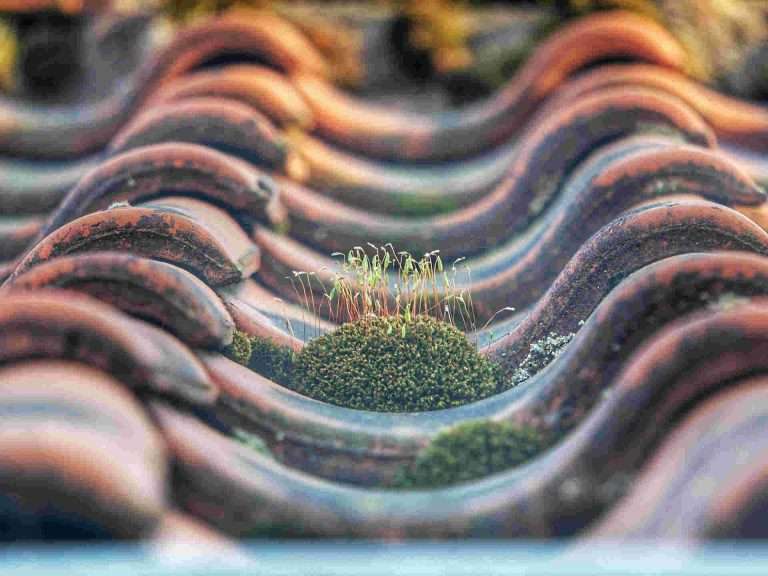
Our mild, damp climate creates perfect conditions for moss, algae, and lichen growth on roofing surfaces. While these might seem like merely aesthetic concerns, they can trap moisture against roofing materials and lead to premature failure.
How Coastal Weather Affects Different Roofing Materials
Not all roofing materials hold up equally well to our coastal conditions. Here’s how common roofing options perform in BC’s coastal environment:
Asphalt Shingles
As the most common residential roofing material, asphalt shingles face several challenges in our coastal environment:
| Weather Factor | Impact on Asphalt Shingles | Mitigation Strategies |
| Persistent Rain | Granule loss, backing saturation | Higher-grade architectural shingles, proper underlayment |
| High Winds | Edge lifting, shingle loss | Enhanced fastening patterns, starter strips |
| Salt Air | Minimal direct impact | Regular cleaning, proper ventilation |
| Biological Growth | Moss and algae growth | Zinc/copper strips, algae-resistant shingles |
While standard 25-year shingles might last their full lifetime in drier climates, the impact of coastal weather on roofing in BC typically reduces their effective lifespan to 15-18 years without proper maintenance.
Cedar Shakes and Shingles
Traditional cedar roofing has deep roots in BC’s building tradition, but it faces significant challenges in our coastal environment:
| Weather Factor | Impact on Cedar Roofing | Mitigation Strategies |
| Persistent Rain | Rot, splitting, cupping | Premium grades, proper spacing, preservative treatments |
| High Winds | Minimal when properly installed | Proper fastening, regular maintenance |
| Salt Air | Minimal direct impact | Regular cleaning |
| Biological Growth | Moss, mildew, and fungal growth | Preservative treatments, proper ventilation |
Cedar shakes historically lasted 30+ years in our climate, but changes in harvesting practices and increased rainfall have reduced expected lifespans to 15-25 years depending on maintenance and installation quality.
Metal Roofing
Metal roofing systems have grown in popularity for coastal homes due to their durability:
| Weather Factor | Impact on Metal Roofing | Mitigation Strategies |
| Persistent Rain | Minimal when properly installed | Proper underlayment, quality fastening systems |
| High Winds | Noise, potential panel displacement | Proper clip systems, closer fastener spacing |
| Salt Air | Corrosion, particularly at cut edges and fasteners | Marine-grade coatings, stainless fasteners |
| Biological Growth | Surface growth (less penetrating than with other materials) | Regular cleaning, algae-resistant coatings |
Premium metal roofing with proper installation can last 40-50 years in coastal environments, making it one of the most durable options despite the higher initial investment.
Membrane Roofing (Flat/Low-Slope)
Commercial buildings and some modern homes utilize membrane roofing systems:
| Weather Factor | Impact on Membrane Roofing | Mitigation Strategies |
| Persistent Rain | Ponding water, seam failures | Proper slope design, superior seam techniques |
| High Winds | Edge lifting, membrane tearing | Increased fastener density, quality edge details |
| Salt Air | Accelerated deterioration of mechanical elements | Stainless components, regular inspections |
| Biological Growth | Surface growth can trap moisture | Regular cleaning, proper drainage |
TPO and PVC membranes typically outperform traditional EPDM (rubber) in coastal BC conditions, with expected lifespans of 20-30 years when properly installed.
Critical Roofing Components for Coastal Protection
Beyond the primary roofing material, several components are particularly important for coastal homes:
Underlayment Systems
In coastal BC, the underlayment is your roof’s critical second line of defense:
- Traditional felt underlayments offer minimal protection in our persistently wet environment
- Synthetic underlayments provide superior water resistance and fastener sealability
- Self-adhering membranes (particularly at eaves, valleys, and roof penetrations) offer the best protection against wind-driven rain
Action Roofing has found that investing in superior underlayment systems is one of the most cost-effective ways to extend roof longevity in our coastal climate.
Ventilation Solutions
Proper ventilation becomes even more critical in humid coastal environments:
- Ridge and soffit vent combinations create continuous airflow that helps dry roof decking
- Mechanical ventilation may be necessary for complex roof designs
- Smart ventilation systems that adjust to humidity levels can help manage moisture during our wettest months
Flashing Details
The majority of roof leaks in coastal homes occur at transitions and penetrations rather than in field areas of the roof. Quality flashing details are essential:
- Step flashing at wall intersections must be properly integrated with water-resistant barriers
- Kick-out flashing prevents water intrusion into exterior walls
- Pipe and vent flashings should be premium products designed for wet climates
- Valley treatments should be designed for high-volume water flow
Seasonal Maintenance Strategies for Coastal Roofs
Understanding the impact of coastal weather on roofing in BC also means adopting a proactive maintenance approach:
Fall Preparation (September-October)
Before the heaviest rains arrive:
- Clear all gutters and downspouts
- Remove overhanging branches
- Check and clean all roof drains and scuppers
- Inspect and reseal roof penetrations as needed
Mid-Winter Check (December-January)
During a safe, dry day in winter:
- Check for wind damage after major storms
- Ensure gutters and downspouts remain clear
- Look for any displaced roofing materials
- Monitor interior spaces for any signs of leakage
Spring Assessment (March-April)
As drier weather returns:
- Remove accumulated moss and debris
- Inspect for winter damage
- Check attic spaces for signs of leakage or condensation
- Repair any minor issues before they worsen
Proactive Summer Work (July-August)
During dry summer months:
- Conduct more significant repairs if needed
- Apply moss treatments if applicable
- Consider reflective coatings for flat roofs
- Plan for any upcoming replacement needs
Climate Change Considerations for BC Roofing
Recent climate trends suggest BC’s coastal regions will experience:
- More intense rainfall
- Longer summers
- More frequent wind storms
- Gradually rising average temperatures
These changes are already influencing our roofing recommendations. At Action Roofing, we’re increasingly advising clients to:
- Upgrade wind ratings beyond current building code requirements
- Increase gutter and downspout capacity to handle heavier rainfall
- Consider cool roofing options to manage increases in summer temperatures
- Install impact-resistant materials in areas that receive the most storm activity
Making Informed Roofing Decisions for Your Coastal Home
When it comes to making roofing decisions for your BC coastal property, consider these key factors:
Investment Timeline
- 5-10 year horizon: Focus on repairs and maintenance of existing systems.
- 10-20 year horizon: Consider mid-range materials with enhanced coastal features.
- 20+ year horizon: Invest in premium systems specifically designed for marine environments.
Exposure Assessment
Your home’s exposure matters enormously:
- Direct oceanfront properties face the harshest conditions.
- Homes sheltered by trees or other buildings may need different solutions.
- Elevation and orientation based on prevailing winds significantly impact wear patterns.
Architectural Compatibility
Beyond weather resistance, think about:
- Heritage considerations for older homes
- Neighborhood aesthetic standards
- How material selection influences resale value
Conclusion: Partner With Us for Coastal Roofing Success
Dealing with the impact of coastal weather on roofing in BC doesn’t mean accepting premature roof failure or constant maintenance headaches. With informed material choices, quality installation, and proactive maintenance, your roof can withstand our challenging coastal conditions.
At Action Roofing, we’ve spent years refining our approach to coastal roofing challenges. We understand that every home is unique, facing its own specific combination of exposure, architectural requirements, and owner priorities. That’s why we begin every project with a thorough assessment of your property’s specific coastal weather exposure before recommending solutions.
Whether you’re building a new roof, replacing an aging structure, or simply wanting to extend the life of your current system, understanding how our unique coastal environment affects roofing materials is the first step toward making decisions that will protect your home for years to come.
For a personalized assessment of your coastal roofing needs, contact our team at Action Roofing. We’re proud to help our BC neighbors find roofing solutions that stand up to our beautiful but demanding coastal climate.