Debunking 9 Common Roofing Myths: Separating Fact From Fiction
In the world of home maintenance, few topics generate as much confusion and misinformation as roofing. Action Roofing has spent decades serving communities across British Columbia, and we’ve heard it all—from well-intentioned but misguided advice passed down through generations to outright falsehoods that could cost homeowners thousands.
When winter storms batter the coast or summer heat bakes the interior valleys of BC, your understanding of roofing facts becomes more than academic—it becomes essential to protecting your investment and ensuring your family’s comfort and safety.
In this comprehensive guide, we’ll tackle the most persistent common roofing myths that continue to circulate among homeowners. Our goal isn’t just to correct misconceptions, but to empower you with knowledge that will help you make informed decisions about one of your home’s most critical systems.
Why Separating Roofing Fact from Fiction Matters
Before we start debunking common roofing myths, let’s consider why accurate information is so crucial:
- Financial Protection: Making decisions based on myths can lead to unnecessary expenses or costly damage.
- Longevity: Understanding proper maintenance extends your roof’s lifespan.
- Safety: Some roofing misconceptions can actually put your family at risk.
- Value: Knowledge about your roof translates directly to protecting your home’s market value.
- Peace of Mind: There’s comfort in knowing you’re making informed choices about your home.
Now, let’s explore and debunk these persistent myths one by one.
Common Roofing Myths vs. Reality
Myth #1: All Asphalt Shingles Are Essentially the Same
The Myth: Many homeowners believe that asphalt shingles are all basically identical, differing only in color and price point.
The Reality: This couldn’t be further from the truth. Today’s asphalt shingles come in various quality levels with significant differences in:
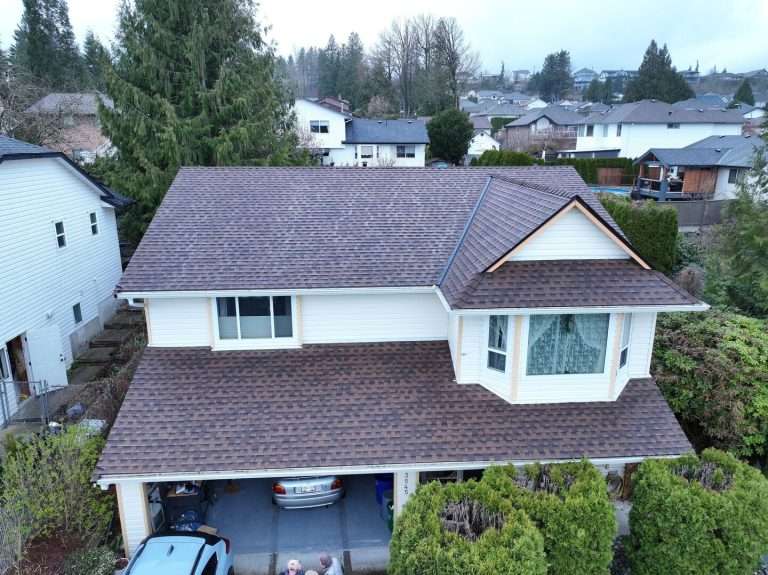
- Longevity: Premium shingles can last 25-30+ years, while basic options might need replacement after 15-20 years.
- Wind Resistance: Higher-end products can withstand winds up to 130 mph, crucial for coastal BC communities.
- Impact Resistance: Resilience is important for areas with hail or falling debris from our abundant evergreens.
- Energy Efficiency: Some shingles reflect more solar heat, reducing cooling costs in summer.
Local Context: In Vancouver Island communities like Victoria, where salt air can accelerate wear and tear, premium shingles with copper or zinc granules can inhibit algae growth and extend roof life by years.
Myth #2: Metal Roofing Attracts Lightning
The Myth: One of the most persistent metal roofing myths is that metal roofs increase the likelihood of lightning strikes.
The Reality: Metal roofing does not attract lightning. Lightning is attracted to the highest object in an area, regardless of material. In fact, metal roofing can be safer during a lightning strike because:
- Metal is non-combustible.
- If struck, metal disperses electrical energy.
- Metal roofing systems are typically grounded during installation.
Local Context: In the mountainous regions of BC where thunderstorms are more common, many homeowners have safely installed metal roofing without increasing their risk of lightning strikes.
Myth #3: You Should Always Replace an Old Roof Before Selling
The Myth: Many homeowners believe they must replace their roof before listing their home, regardless of its condition.
The Reality: While a new roof can certainly increase home value, replacement isn’t always necessary or financially prudent. Consider the following:
- A professional roof inspection might reveal that repairs are sufficient.
- In BC’s competitive markets, including a roof allowance in the sale price can be a smarter alternative.
- Sometimes, thorough cleaning and minor repairs are all that’s needed to improve appearance and function.
Local Context: In Victoria and Vancouver, where home prices are already high, unnecessary roof replacement before selling could represent an investment you won’t fully recoup.
Myth #4: Moss is Just a Cosmetic Issue
The Myth: Many BC homeowners believe moss on the roof is merely unsightly but harmless.
The Reality: In our moisture-rich climate, moss is far more than an aesthetic concern:
- Moss retains moisture against roofing materials, accelerating deterioration.
- It can lift shingles, creating pathways for water to enter.
- Moss roots can physically damage roofing materials over time.
- The added weight, when saturated, puts stress on roofing structures.
Local Context: Coastal communities that experience heavy rain—like Tofino or North Vancouver—should make moss removal and prevention part of regular maintenance, not an occasional cosmetic treatment.
Myth #5: DIY Roof Repairs Save Money
The Myth: The popularity of DIY videos has perpetuated the belief that homeowners can easily perform their own roof repairs and save money.
The Reality: While minor tasks like cleaning gutters can be DIY-friendly, most roofing repairs require professional expertise:
- Improper repairs often lead to water damage that costs far more than the original repair would have.
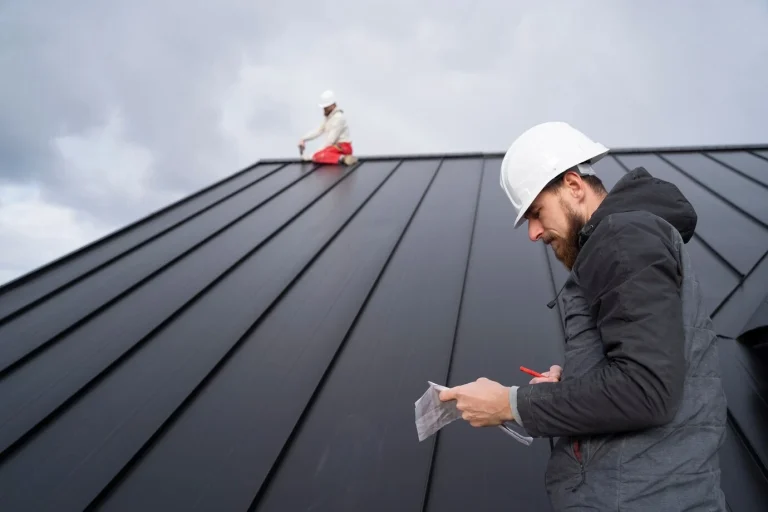
- Safety risks are substantial. Roofing consistently ranks among the most dangerous construction activities.
- Manufacturer warranties are often voided by DIY repairs.
- Professionals have access to higher-quality materials at better prices.
Local Context: BC’s variable climate, from coastal rain to interior snow loads, demands region-specific knowledge of proper materials and techniques that most DIY sources don’t address.
Myth #6: All Metal Roofs Are Noisy in the Rain
The Myth: Among persistent metal roofing myths is the belief that metal roofs create excessive noise during rainfall.
The Reality: Modern metal roofing systems, when properly installed, are no noisier than other roofing types:
- Today’s metal roofing is typically installed over solid decking with underlayment that absorbs sound.
- Proper insulation further dampens any noise.
- The pitch of the roof and installation method significantly impact acoustics.
Local Context: For Fraser Valley homeowners who experience heavy rainfall, we often recommend specific underlayment products that provide additional sound dampening benefits without compromising the roof’s performance.
Myth #7: Dark Shingles Last Longer in Cold Climates
The Myth: There’s a persistent belief that dark-colored shingles are better in British Columbia’s colder regions because they absorb heat and help snow melt faster.
The Reality: This is one of the common roofing myths that is partially true but overlooks important information:
- While dark shingles do absorb more heat, thermal cycling (heating and cooling) can actually accelerate the aging of shingles.
- The temperature difference rarely provides significant benefits on melting snow.
- Dark shingles in summer months can dramatically increase attic temperatures, potentially raising cooling costs.
| Shingle Color | Advantages | Disadvantages |
| Dark (Black, Dark Brown) | May help melt light snow, Complements some architectural styles | Accelerated aging from heat absorption, Higher cooling costs, More visible fading over time |
| Light (Grey, Tan, White) | Reflects heat, Lower cooling costs, Less thermal stress | Less solar heat gain in winter, May show algae/moss growth more visibly |
Local Context: In communities where heavy snow loads are common, proper roof design and insulation are far more important than shingle color for managing snow-related issues.
Myth #8: You Can Just Put a New Layer of Shingles Over the Old Ones
The Myth: Many homeowners believe that adding a second layer of shingles over existing ones is always a valid, money-saving option.
The Reality: While building codes often permit one re-roof over an existing layer, this approach comes with significant drawbacks:
- The added weight puts stress on your roof structure, particularly areas with snow loads.
- Underlying problems (rot, leaks, damaged decking) remain hidden and unaddressed.
- The new shingles may not lay flat, reducing their wind resistance and aesthetic appeal.
- The lifespan of the new layer is typically reduced by 20-30%.
- Most manufacturers reduce warranty coverage for overlay installations.
Local Context: Roofs in warmer areas like Okanagan may trap heat between their layers, dramatically accelerating the degradation of shingles while reducing the roof’s lifespan.
Myth #9: Roof Ventilation Is Only Important in Summer
The Myth: Many homeowners believe roof ventilation only matters during summer since it keeps attics cool.
The Reality: Proper roof ventilation is crucial year-round in British Columbia’s diverse climate:
- In winter, ventilation prevents condensation that leads to mold, rot, and ice dams.
- Consistent ventilation prevents moisture from degrading insulation, reducing its R-value.
- Year-round ventilation extends shingle life by reducing extreme temperatures.
- Proper ventilation is typically required for keeping shingle warranties in force.
Local Context: Residences in coastal areas such as Vancouver and Victoria may need more ventilation in winter than summer since trapped moisture can cause significant damage during colder months.
Making Informed Roofing Decisions
Debunking common roofing myths is about more than correcting misinformation—it’s about empowering you to make decisions that protect your home and save you money in the long run.
At Action Roofing, we believe informed homeowners make better decisions. That’s why we’re committed to educating residents by providing accurate information on our website and during consultations.
Whether you’re considering a full replacement, repairs, or simply want to maintain your current roof, separating fact from fiction is the first step toward making choices you won’t regret.
Conclusion: Beyond the Myths
Understanding the truth behind these common roofing myths allows you to approach roof maintenance and replacement with confidence. Your roof is too important and too significant an investment to base decisions on misinformation or outdated advice.
We encourage BC homeowners to seek reputable, local professionals who understand our unique climate challenges and can provide region-specific advice. While internet resources can be helpful, nothing replaces the expertise of contractors who regularly work with the conditions your roof faces.
If you have questions about your roof or would like to schedule a professional inspection to assess its true condition, our team at Action Roofing is always ready to help. As we serve communities throughout British Columbia, we bring decades of local experience and a commitment to honest, straightforward advice—no myths, just facts.