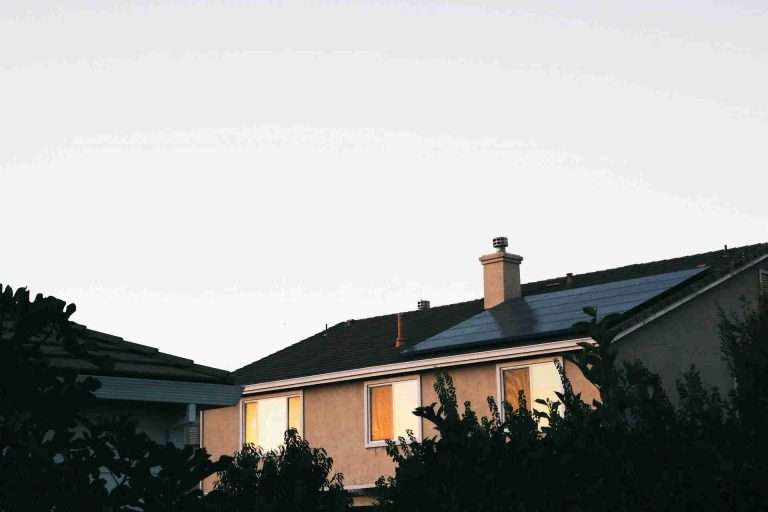
The Fraser Valley Home Maintenance Checklist: 10 Things Homeowners Should Inspect Every Year
Owning a home in the Fraser Valley means dealing with plenty of rain, moisture, changing temperatures, wind, and seasonal weather. Over time, these conditions can take a toll on your roof, plumbing, heating system, exterior, and other important parts of your home.
A yearly home inspection can help you catch small problems before they become expensive repairs.
Here are 10 areas Fraser Valley homeowners should inspect at least once a year.
1. Inspect Your Roof for Damage
Your roof is one of your home’s main lines of defence against the elements, particularly during the Fraser Valley’s wet months.
You don’t necessarily need to climb onto your roof to perform an initial inspection. From the ground, look for:
- Missing, cracked, or curling shingles
- Areas that appear uneven or damaged
- Moss or excessive organic growth
- Damaged flashing
- Sagging areas
- Debris collecting on the roof
- Signs of deterioration around vents and penetrations
Inside your home, water stains on ceilings or walls, peeling paint, musty smells, or moisture in the attic can also indicate a roofing problem.
Roof damage is often less expensive to address when caught early. A relatively small flashing or shingle issue can eventually lead to damaged insulation, sheathing, drywall, or framing if water continues entering the home.
If you notice signs of roof damage, Action Roofing can inspect the roofing system and determine whether maintenance, repair, or replacement should be considered.
2. Check Your Gutters and Roof Drainage
Your roofing system doesn’t stop at the shingles.
Gutters and downspouts play an important role in directing rainwater away from your roof, siding, and foundation.
Leaves, needles, moss, and other debris can restrict drainage. When gutters become clogged, water may overflow or collect where it shouldn’t.
Check for:
- Clogged gutters
- Loose gutter sections
- Leaking joints
- Damaged downspouts
- Water pooling near the foundation
- Gutters pulling away from the fascia
- Downspouts draining too close to the house
Pay particular attention after fall and winter storms.
Keeping water moving away from the building helps protect not only your roof but also your siding, foundation, landscaping, and other exterior components.
3. Look for Plumbing Leaks and Water Damage
Some of the most expensive home repairs begin with relatively small amounts of water.
Inspect underneath sinks, around toilets, behind appliances, near your water heater, and anywhere plumbing fixtures or supply lines are accessible.
Watch for:
- Water stains
- Damp cabinetry
- Musty smells
- Corrosion
- Dripping faucets
- Unexplained increases in water consumption
- Low water pressure
- Slow drains
You should also pay attention to areas where plumbing problems could be mistaken for roofing problems.
For example, a ceiling stain does not automatically mean the roof is leaking. Bathrooms, plumbing lines, HVAC equipment, and other sources of moisture may be located above the affected area.
When plumbing issues are suspected, a qualified local plumber such as Paton Plumbing Worx can help identify the source before a small leak causes more extensive damage.
4. Service Your Heating and Cooling System
Your HVAC system works throughout the year to keep your home comfortable.
Preventative maintenance can help identify worn components, airflow problems, dirty filters, and other issues before you suddenly lose heating or cooling.
Homeowners should periodically:
- Replace or clean filters
- Keep vents unobstructed
- Check for unusual noises
- Watch for unexpected changes in energy consumption
- Check for inconsistent temperatures between rooms
- Keep outdoor equipment clear of leaves and debris
If your furnace, heat pump, or air-conditioning system hasn’t been professionally inspected recently, consider having it serviced before the season when you’ll depend on it most.
Local HVAC professionals such as Fire & Ice HVAC Services can inspect heating and cooling equipment and identify potential problems before they turn into emergency repairs.
5. Check for Signs of Pests
Pest activity isn’t always obvious.
Rodents and insects can enter through surprisingly small openings around roofs, vents, foundations, siding, utility penetrations, and other parts of the building envelope.
During your annual inspection, look for:
- Droppings
- Gnaw marks
- Scratching sounds
- Damaged insulation
- Small openings around the exterior
- Nesting material
- Insect activity
- Unexplained damage around vents or rooflines
Roof and exterior damage can sometimes create new entry points for pests. This is another reason damaged flashing, soffits, fascia, vents, and roofing materials shouldn’t be ignored.
If you notice evidence of rodents or insects, TAG Pest Control can assess the property, identify potential entry points, and recommend appropriate pest-control measures.
6. Inspect Your Electrical System
You don’t need to open your electrical panel or work on wiring yourself to identify potential warning signs.
Instead, pay attention to how your electrical system behaves.
Warning signs can include:
- Frequently tripped breakers
- Flickering lights
- Warm outlets or switches
- Buzzing sounds
- Loose outlets
- Damaged exterior receptacles
- Extension cords being used as permanent wiring
- Older electrical equipment that may no longer meet your household’s needs
Electrical problems should be assessed by a qualified electrician rather than treated as a DIY project.
This becomes especially important when adding higher-demand equipment such as heat pumps, hot tubs, workshops, secondary suites, or EV chargers.
7. Inspect Exterior Surfaces
Walk around the entire exterior of your home at least once or twice a year.
Look closely at siding, concrete, decks, patios, stairs, railings, and other exposed surfaces.
Watch for:
- Cracks
- Peeling or deteriorating coatings
- Water damage
- Rotting wood
- Loose railings
- Uneven surfaces
- Drainage problems
- Areas where water regularly pools
Small cracks and surface damage can become considerably worse after repeated exposure to moisture and changing temperatures.
Documenting problem areas with photos once a year can also help you see whether cracks or deterioration are progressing.
8. Check Windows, Doors and Exterior Enclosures
Windows and doors are common areas for drafts and water intrusion.
Inspect the caulking and seals around windows and doors and look for signs of moisture around the interior frames.
You should also inspect sunrooms, patio covers, glass walls, and other exterior enclosures.
Look for:
- Failed seals
- Cracked caulking
- Water intrusion
- Loose components
- Damaged glass
- Problems opening or closing doors
- Visible deterioration around frames
Water entering through these areas can sometimes travel behind finished surfaces, making the original source difficult to identify.
9. Pay Attention to Your Water System
Not every Fraser Valley property receives water through the same type of system.
Homes using wells, pumps, filtration systems, or other water-treatment equipment require additional maintenance.
Homeowners should watch for changes in:
- Water pressure
- Water colour
- Taste or smell
- Pump behaviour
- Sediment
- Filter condition
Sudden changes should not be ignored.
Even if the water still appears usable, changes in pressure or pump operation can indicate equipment that needs attention.
10. Manage Trees and Vegetation Around Your Home
The landscaping surrounding your property can affect your home more than you might expect.
Branches hanging over the roof can drop leaves and debris into gutters, rub against roofing materials, and potentially cause damage during storms.
Dense vegetation against the building can also retain moisture and make exterior inspection more difficult.
Walk around your property and look for:
- Branches touching or hanging over the roof
- Dead or damaged trees
- Heavy vegetation against siding
- Blocked drainage areas
- Roots affecting walkways or other structures
- Brush accumulating near buildings
Keeping vegetation appropriately managed can make maintaining the rest of your property easier.
When Should You Complete Your Home Maintenance Inspection?
For most Fraser Valley homeowners, spring and fall are good opportunities for a comprehensive walk-around.
A spring inspection can reveal damage that occurred during winter.
A fall inspection helps prepare the property for the wetter months ahead.
You should also inspect your home after significant windstorms, heavy rainfall, falling branches, or other severe weather events.
Consider keeping a simple annual maintenance record with photos and notes. Comparing the same areas year after year makes it much easier to spot gradual deterioration.
Start With the Roof
Not every item on this checklist requires immediate professional attention.
The objective is to understand the condition of your home and identify problems early.
When inspecting your property, pay particular attention to the roof because problems above the living space can allow water to travel into insulation, ceilings, walls, and other parts of the building.
If you’ve noticed missing shingles, signs of water intrusion, damaged flashing, moss growth, or you’re simply unsure about the condition of your roof, Action Roofing Ltd. can help.
With more than 40 years of roofing experience, our team provides residential roof inspections, repairs, maintenance, and roof replacement throughout Abbotsford and the Fraser Valley.
Contact Action Roofing Ltd. to schedule a roofing assessment and find out what your roof needs before a small issue becomes a larger repair.