How Often Should You Replace Your Roof in Abbotsford, BC?
Another rainy season is coming and you find yourself staring up at those troublesome water stains on your ceiling again. You’ve patched and repaired over the years, but that nagging question keeps returning: is it finally time for a full roof replacement?
Answering the question, “how often should you replace your roof in Abbotsford, BC,” isn’t just about age—it’s about recognizing the subtle signs that your current roofing system is reaching the end of its lifespan. In this guide, we’ll walk you through everything Abbotsford homeowners need to know about roof replacement, from material lifespans to warning signs, cost considerations, and how to make the smartest choice for your situation.
Understanding Abbotsford’s Climate Challenges
Before discussing replacement timelines, it’s essential to understand how Abbotsford’s specific climate affects your roof’s longevity. Located in the Fraser Valley, Abbotsford experiences:
- Annual rainfall of approximately 1563 mm (61.5 in)
- Occasional winter snowfall events
- Summer temperatures that can exceed 30°C (86°F)
- High humidity levels year-round
- Freeze-thaw cycles during winter months
These conditions create unique stressors on roofing materials. The heavy rainfall tests waterproofing integrity, while freeze-thaw cycles can create and expand small cracks. Hot summer sun degrades materials faster, particularly on south-facing slopes. All these factors mean that national averages for roof lifespans often don’t always apply to our region.
How Often Should You Replace Your Roof in Abbotsford, BC: Lifespan of Different Roofing Materials
When considering the best roofing materials for homes in Abbotsford BC, understanding how long different options typically last in our specific climate is crucial. Here’s a breakdown of common roofing materials and their expected lifespans in Abbotsford conditions:
| Roofing Material | General Lifespan | Adjusted Lifespan for Abbotsford |
| 3-Tab Asphalt Shingles | 15-20 years | 12-17 years |
| Architectural Shingles | 25-30 years | 20-25 years |
| Metal Roofing | 40-70 years | 35-50 years |
| Cedar Shakes | 30-40 years | 20-30 years |
| Synthetic Slate | 40-50 years | 35-45 years |
| Concrete Tile | 40-50 years | 35-45 years |
Asphalt Shingles
As the most common roofing material in Abbotsford, asphalt shingles deserve special attention. Standard shingles typically last 12-17 years in our climate, while higher-quality architectural shingles can extend that to 20-25 years. However, we’ve observed that north-facing roof sections often last 2-3 years longer than south-facing ones due to reduced UV exposure.
Many Abbotsford roofing companies recommend architectural shingles for their superior performance in our wet climate. Their multi-layered construction provides better water resistance and wind uplift protection during our occasional winter storms.

Metal Roofing
Metal has increasingly become one of the best roofing materials in Abbotsford due to its exceptional longevity and performance. While the initial investment is higher, a quality metal roof can last 35-50 years with minimal maintenance. Metal roofing excels at shedding our heavy rainfall and standing up to wind events that can damage asphalt products.
We’ve installed metal roofing systems throughout Bradner, Mt. Lehman, and central Abbotsford that continue to perform excellently after over 20 years, making them a cost-effective long-term investment.
Cedar Shakes
Traditional cedar shakes offer classic beauty but require careful consideration in Abbotsford’s climate. The natural moisture resistance of cedar works well for our rainy seasons, but without proper maintenance, cedar can deteriorate faster here than in drier regions. Expect 20 to 30 years from quality cedar with regular maintenance, including cleaning, moss prevention, and occasional treatments.
For heritage homes in historic neighborhoods, cedar remains a popular choice for maintaining architectural authenticity.
Composite and Synthetic Options
Modern synthetic roofing materials designed to mimic slate or cedar offer excellent longevity (35-45 years) while requiring less maintenance than natural materials. These products have improved dramatically in recent years and perform particularly well in Abbotsford’s varied climate conditions.
Signs It’s Time for a Roof Replacement
While age guidelines are helpful, the best indicator of a necessary replacement comes from your roof itself. Here are the warning signs that Action Roofing advises local homeowners to watch for:
Exterior Warning Signs
- Curling or buckling shingles: When shingles begin to curl at the edges or buckle in the middle, they’re no longer providing adequate protection.
- Missing shingles or granules: After heavy winds or rainstorms, check for missing shingles. Also, look for accumulated granules in gutters or downspouts, which indicate advanced shingle wear.
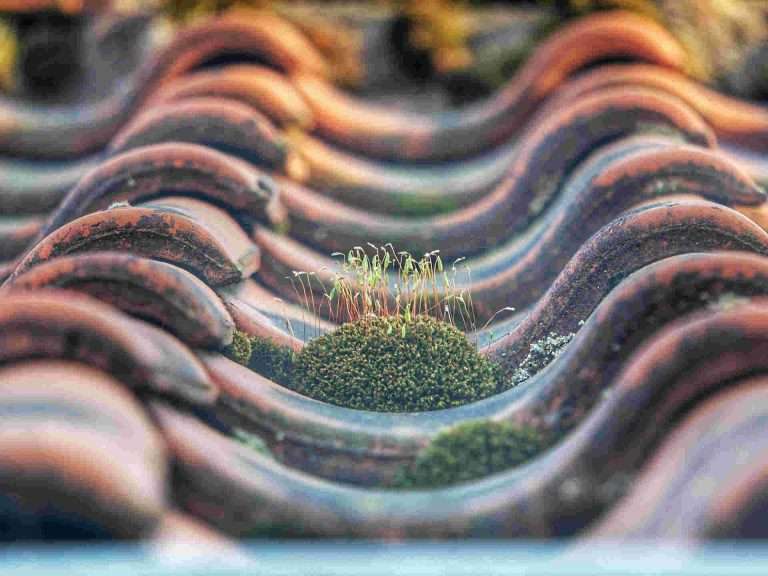
- Moss or algae growth: While some growth is normal in our humid climate, excessive moss can trap moisture against your roof and accelerate deterioration.
- Sagging roof deck: Any visible sagging indicates structural issues that require immediate attention.
- Daylight visible through roof boards: Check your attic on a sunny day. If light penetrates, so can water.
Interior Warning Signs
- Water stains on ceilings or walls: These often appear during or after heavy Abbotsford rainfall. They’re proof that water has infiltrated your roofing system.
- Increased energy bills: A failing roof allows heat to escape, causing your heating system to work harder during wet winters.
- Attic moisture or mold: Inspect your attic for damp insulation or visible mold, which suggests your roof is allowing moisture to enter.
Many Abbotsford roofing professionals offer free inspections to help identify these warning signs before they lead to significant damage. At Action Roofing, we recommend having your roof professionally inspected every 2-3 years after it reaches the 10-year mark.
You can also visit this post for more details.
Timing Your Roof Replacement
While an emergency roof replacement in Abbotsford sometimes can’t be avoided, planning ahead allows homeowners to time their roof replacement optimally:
Best Seasons for Replacement
While Abbotsford roofing companies can perform installations year-round, certain seasons offer specific advantages:
- Late spring to early fall (May-September): Ideal conditions with less rainfall and moderate temperatures allow proper sealing and adhesion of materials.
- Fall (September-October): A good choice before winter weather sets in, though scheduling can be competitive as many homeowners have the same idea.
- Winter (November-February): Possible but challenging due to frequent rainfall. Emergency replacements can still be performed during dry periods.
Planning Around Home Improvements
If you’re considering other exterior improvements like gutter replacement, solar panel installation, or exterior painting, coordinating these with your roof replacement can save time and money. For example, gutter systems often need adjustment or replacement when roofing is updated.
Choosing the Right Materials for Your Replacement
Determining the best roofing materials for homes in Abbotsford BC involves balancing several factors:
Suitability To the Local Climate
Different Abbotsford neighborhoods face slightly different microclimate challenges:
- Eagle Mountain and Sumas Mountain homes: Experience more wind exposure and sometimes heavier snow loads, making wind-resistant architectural shingles or metal roofing ideal choices.
- Central Abbotsford: More heat retention in summer months may benefit from cool-roof technologies that reflect rather than absorb solar heat.
- Rural Abbotsford: Properties with less tree coverage may face more direct UV exposure, making UV-resistant materials more important.
Aesthetic Considerations
Your roof contributes significantly to your home’s curb appeal and architectural integrity. Consider:
- Consistency with the neighborhood (particularly important in newer developments with design guidelines)
- Architectural style of your home
- Long-term color stability (some materials fade more quickly with UV exposure)
- Complementary colors with existing siding and trim
Performance
Beyond basic protection, modern roofing materials offer specialized performance benefits worth considering:
- Impact resistance: Important for areas prone to falling branches or occasional hail
- Fire rating: Critical for homes in rural areas or near forested sections
- Wind resistance: Essential for exposed locations that receive strong gusts of wind
- Energy efficiency: Cool-roof technologies that reflect solar energy
The Replacement Process: What To Expect
We explore the roof replacement process extensively in How Long Does a Roof Replacement Take? but here’s a quick run-down you can refer to:
- Comprehensive Inspection and Estimate: A detailed evaluation of your current roof condition, measurement of the roof area, and discussion of material options
- Material Selection and Ordering: Once you’ve selected materials, they’ll be ordered and scheduled for delivery
- Preparation: Protecting landscaping, siding, and windows from debris during the removal process
- Removal: Stripping old roofing materials down to the deck
- Deck Inspection and Repair: Examining and replacing any damaged roof decking
- Underlayment and Ice Shield Installation: Application of water-resistant barriers, particularly important in Abbotsford’s wet climate
- New Roofing Installation: Application of your chosen roofing material according to manufacturer specifications
- Flashing and Ventilation: Installation or replacement of critical flashing around chimneys, vents, and valleys, plus ventilation improvements if needed
- Clean-up and Final Inspection: Thorough removal of debris and a comprehensive inspection of the finished work
A complete replacement typically takes 2 to 5 days for an average-sized home, depending on roof complexity and weather conditions.
Making the Right Decision for Your Home
How often should you replace your roof in Abbotsford, BC? Determining the perfect time to replace your roof requires balancing multiple factors—current condition, age, budget considerations, and your long-term plans for your home.
Action Roofing believes in providing local homeowners with honest assessments and options rather than pushing for premature replacements.
If your roof is showing multiple warning signs or approaching the end of its expected lifespan, scheduling a professional inspection is the best first step. This will give you a clear picture of your current situation and help you make an informed decision regarding timing.
In Abbotsford’s climate, it’s always better to replace your roof before it gives out completely. Waiting can only lead to expensive repairs and a lot of unnecessary stress. Planning ahead gives you time to explore your options, compare quotes, and choose the best time for the work, rather than scrambling to make a quick decision during an emergency.
As trusted Abbotsford roofers, Action Roofing has helped many homeowners navigate this significant home maintenance decision. Reach out to us for honest guidance and quality craftsmanship—and we’ll help you protect your most valuable asset.